Paris Travel Guide: Timeless Streets, Living History, and the Art of Lingering
Paris Travel Guide: Timeless Streets, Living History, and the Art of Lingering
Paris
possesses the ability of weaving its way into your life and lingering there
forever. Way before the postcards, movies, or guidebooks contributed in shaping
the city’s image to the entire world, poets, artists, writers, journalists, and
tourists attempted to describe in words the way Paris had captivated them for a
lifetime. The city of love boasts many layers to its existence, here the
culture thrives at its finest without being too restricting, and it is
effortlessly charming to say the least, which is why it remains a constant
reference point in any Paris travel guide.
There
aren’t many cities that trace their history back centuries yet feel alive and
vibrant in present-day. In the third century BCE, the Romans turned what was
formerly a Gallic village, into an industrial town. Paris had grown into the
political capital of France by the early Middle Ages, withstanding several
invasions, revolutions, and reformations after reformations. By the year 1200,
it was already a major center of culture and business in the entire continent
of Europe, and a politically significant location. Today, Paris is still one of
those few cities that fulfils its long standing historic reputation.
You
will find history, art, and charm at every nook of Paris. You surely can’t take
in everything in one visit, but with thoughtful planning, you can take in the
most worthwhile aspects and still make time to explore little hidden gems
around the city. This guide is meant for assisting you in achieving just that,
establishing a balance between what’s significant and smaller details that make
Paris feel like a second home, something many travelers begin mapping out
through VJS Travel.
The Eiffel Tower
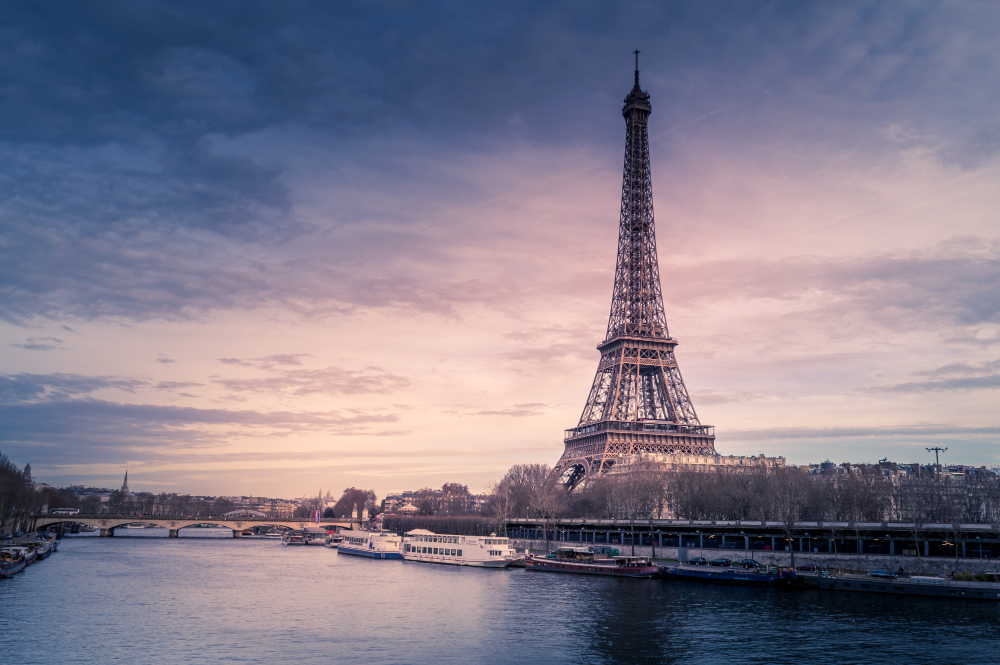
There is a humorous anecdote regarding the Eiffel Tower, which was built for the 1889 World’s Fair, which was supposed to be taken down after the fair. However, in the present day it is almost impossible to picture the Paris skyline without the mighty monument, it has become synonymous and symbolic for the city. The tower stands more than 300 meters tall and presents the visitors with a great view of the cityscape, from the Seine to Montmartre. Arriving early in the day will let you avoid huge queues, and buying tickets in advance makes a world of difference. The panoramas are breathtaking, but the real magic occurs when you gaze upon the tower from the ground, particularly when it lights up after darkness falls.

The Palace of Versailles
Even
though Versailles is a brief drive from downtown Paris, it takes an entire day
to get there. Originally a hunting fort, it came to be a symbol of Louis XIV’s
totalitarian monarchy. The French monarch established it in order to keep the
nobles nearby and out of imminent danger. The interior of the palace is quite
lavish, but the grounds themselves are just as beautiful. The gardens adorn
fountains, paths, and peaceful spaces to relax. Weekdays tend to be less hectic
than weekends, which means getting there early would certainly be more
beneficial to look around before it gets packed with crowds.

The Louvre
The Louvre is not only one of the largest museums in the world, but it also serves as a city within a city. It has everything from ancient antiquities to Renaissance masterpieces, so even a short visit is worthwhile. The Mona Lisa gets a lot of attention, but the galleries around it include many more fascinating stuff to see. Evenings, especially in the middle of the week, are less packed. It’s very important that you reserve tickets in advance because the slots fill up rapidly.

The Latin Quarter
The Latin Quarter, which is located at the south of Notre Dame, feels like a smaller version of Paris. The narrow streets, that twist and curve, are filled with small squares that have cafés, bookshops, and jazz bars. For decades, students, writers, and philosophers have resided in this section of town, and you can still feel the intellectual vigor in the air. Wandering about here aimlessly is one of the simplest ways to feel connected to the city’s historical past, and a highlight of classic Paris sightseeing, as well as a mandatory part of the Paris travel guide.
Sainte-Chapelle
Sainte
Chapelle is a magnificent example of Gothic architecture that is hidden away in
the old Palais de la Cité. The Chapelle was built in the 13th century to hold
holy relics. The most notable thing about the structure is its stained glass
windows, which let in beautiful colors that light up the chambers. Even though
it’s relatively small, it makes a substantial impact on the visitors. It’s
advised that you reserve in advance considering tickets are frequently sold
out.
Other Things You Should Do That Are Worth Your Time
Paris
is a great place for curious, artsy individuals. People who delight in
historical museums may want to spend several days at locations like the Musée
d’Orsay, the Musée de l’Orangerie, and the Rodin Museum. The Champs Élysées
connects the Arc de Triomphe to the Louvre. It represents a contrast between
the classical grandeur and modern enterprises. Montmartre used to be a
sanctuary for struggling artists, and it still retains a creative spirit in its
cafés and winding lanes. The Sacré Coeur, which offers a panorama of the entire
metropolis, stands at the very top of the hill.
The
city’s parks and gardens are also absolutely delightful. Jardin du Luxembourg
is a great place for spending a quiet afternoon, whether you want to observe
other tourists or have a basic picnic. Père Lachaise Cemetery is an oasis of
peace to walk around the graves of writers, composers, and thinkers who had a
major influence on cultural expression all over the world, not merely in
France, and it often features high on lists of things to do in Paris.
How to Get Around Paris
The
public transportation system in Paris is one of the finest in the entire globe,
and getting around Paris is fairly straightforward once you understand the
network. It’s easy to move from one place to another because the subway system
connects nearly every part of the town. There are also excellent bus and tram
services, as well as regional trains that connect Paris to other towns and
cities. Tourists usually claim that exploring on foot is the best way to see
the heart of town because you may encounter buildings and events that you might
miss otherwise. Cycling is extremely prevalent in Paris, especially amongst
Parisians. You can find bike rental stations distributed throughout the city.
Many visitors check routes and passes in advance through VJS Travel.
Where to Stay
There
are plenty of options to stay in Paris, from youth hostels and boutique
guesthouses to posh luxury hotels. It’s more crucial to pick the right locality
than to look at hotel ratings, since each location has a distinct atmosphere.
Staying right outside the historic center can save money on lodging as getting
there via public transportation is quite a seamless task. During periods of
congestion, particularly during the summer, it’s highly recommended to make
reservations early, especially when deciding where to stay in Paris with
availability in mind using VJS Travel.
Dining and Drinking
Food
is an integral aspect of the ultimate Paris experience and a defining part of
the Paris food scene. When you take your sweet time with a meal, even a basic
one will feel exquisite. Every morning, bakeries load fresh croissants and
muffins, and local shops have everything you will need for a simple picnic.
Restaurants sometimes offer lunch specials at lower prices than dinner, so
eating out for lunch is an excellent idea. Paris will make you want to stay a
little longer whether you’re eating an inexpensive meal at a café or having an
extravagant brunch with wine.
Costs and Budgeting
Paris
isn’t cost-effective, but if you plan well in advance, you can make it
feasible. Depending on the season and where you are residing, the cost of
lodging and dining will range drastically. If you’d like to visit more than one
museum, opting for museum passes can help you save you a good deal of money. If
you commute a lot, public transport passes will come cheaper than buying single
tickets every time.
When to Visit Paris
The
best times to visit Paris are late spring and early fall, when the weather is
pleasant and the tourist numbers are sparse. Summer means longer days with
increased energy, but it also means greater expenditures and larger crowds. The
city has a gentler, more reflective atmosphere in the colder months, when it’s
less noisy all around and usually cheaper.
Keeping Safe
Paris
is mostly safe, but like any metropolitan city, you need to be cautious.
Pickpockets operate in tandem in popular areas and on public transportation,
thus it’s crucial to keep your belongings safe. Avoid participating in street
scams, and be on alert all the time during late at night. These few measures
will make your stay more smooth and effortless.
Final Thoughts
Paris
is more of an experience to fully immerse in than just a destination to cover.
You can simply have as many amazing experiences just sitting by the Seine
leisurely, strolling around without a plan, or having a nice supper, all at
your own leisure. Paris gently reveals itself to you, leaving you with memories
that last a lifetime. Many travelers return to a trusted Paris travel guide
when planning their next visit, using VJS Travel to compare stays and routes,
before letting the city unfold at its own pace.
Subscribe to receive flight deals, special offers, and travel updates directly in your inbox.