Tokyo - Places to See, Food, Transport, and When to Visit
From Sunrise Trains to Neon Nights: A Thoughtful Tokyo Travel Guide
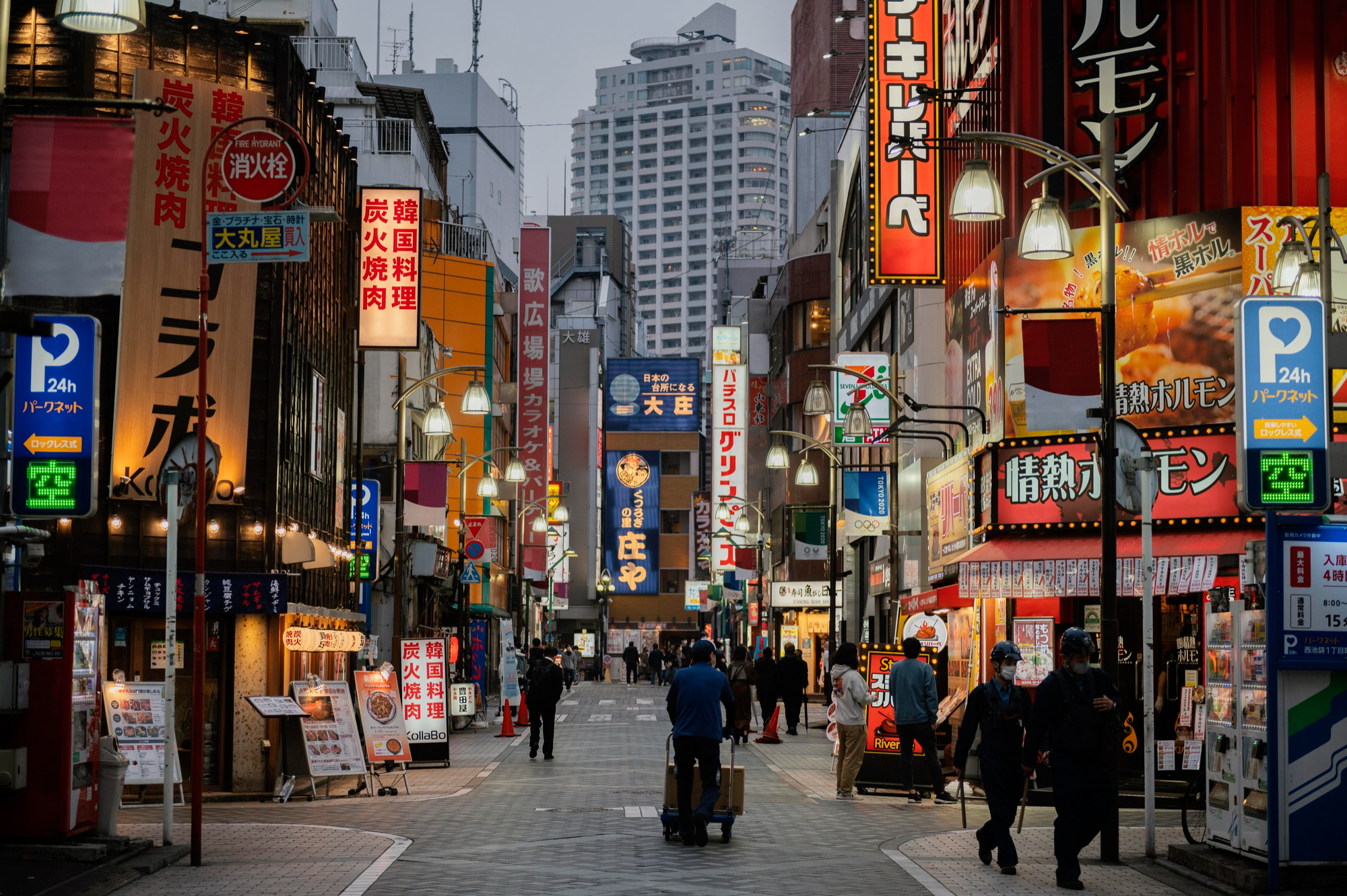
Tokyo embraces you entirely, a circus of lights, huge neon signs, and trains that appear to run indefinitely in a circle, which is often how a Tokyo travel guide first tries to describe it.
This city survives in a form of controlled chaos.
Yet, behind the surface of all that vibrancy, continual action, and splendor, there lies a Tokyo founded on norms, simplicity, and timeless traditions, a contrast that shapes this Tokyo travel guide.
This dynamic atmosphere is what really defines Tokyo.
The Japanese capital is a city where you can walk to convenience stores that sell ramen beyond midnight, where tailored business suits and experimental street fashion share the same pavements, and where silence inside a shrine might sound louder than the traffic at Shibuya Crossing, something many people notice when they visit Tokyo for the first time.
Tokyo rewards people who are curious about everything.
This guide includes the key sights and regular activities, along with helpful suggestions that are necessary to make the most out of your Tokyo trip, whether it’s your first time there or you’ll be returning back, something many travelers loosely map out using VJS Travel.
Best Places to See in Tokyo
Asakusa’s Senso-ji Temple
The oldest Buddhist temple in Tokyo, Senso-ji, is also one of the most picturesque places to see in Tokyo.
If you want to experience Kaminarimon, the Thunder Gate, at its most ethereal, go early in the morning before the tour buses arrive, which many Tokyo travel guide recommendations quietly suggest.
With the red pagoda silhouetted against the skyline and the incense sweeping through the air, an atmosphere of calm emerges.
Along the walls, you can see the wooden prayer tablets lined together.
You can visit the temple grounds whenever you wish, but if you want to avoid crowds, you should go early in the morning or late at night.
The Tokyo Tower
Having loomed above Tokyo since the 1950s, the Tokyo Tower continues to tower tall today and remains one of the classic places to see in Tokyo.
In contrast to its modern counterpart, the Skytree, it provides a more classic view of the cityscape.
The main observation deck has wide landscapes that look like they’re straight out of a movie, specifically right before the sunset, when the city transitions from daylight to neon.
On clear nights, you can see Mount Fuji faintly on the horizon.
It serves as a reminder that nature continues to be very close to this city.
Toyosu and the Tsukiji Outer Market
Although the wholesale fish bidding market has moved to Toyosu, the Tsukiji Outer Market remains one of the best spots in Tokyo for having a hearty breakfast and exploring Tokyo food culture.
Before the sun rises, sushi counters open up, steam rises from vendors selling grilled fish, and within a very short time the narrow streets are packed with locals and chefs buying supplies.
If you’re already awake because of jet lag, be there around 6:30 am and have your breakfast where Tokyo begins its day.
The Grounds of the Imperial Palace
The Imperial Palace is situated at the center of the city, which makes it a rather idyllic spot to be compared to the busy business areas around it and a peaceful place to see in Tokyo.
While the palace remains closed to the public, the gardens and walkways make for a perfect place to unwind.
In the late afternoon, when joggers are running around the moat and office workers are finishing their work, it feels especially introspective to walk here.
Park Ueno
Ueno Park is a mix of culture and ordinary life and remains one of the more relaxed things to do in Tokyo.
There are museums, a zoo, and open lawns all under thousands of cherry trees.
In the spring, the park is packed with picnic blankets and merriment.
In the fall, the pathways are quieter and the air more refreshing.
It’s a fantastic spot to wind down while soaking in the architecture of the city, even when it’s not bustling.
Things That Make Tokyo What It Is
What you do in Tokyo is just as important as what you see there, something that sits quietly at the heart of this Tokyo travel guide.
One of the greatest ways to learn about the city’s history and structure is to take a guided walking tour, especially in areas like Shinjuku or Yanaka.
Golden Gai is a fun and lively place to go out at night and remains one of the more memorable things to do in Tokyo.
There are tons of tiny bars in its narrow lanes, and each one has a distinct flavor.
Go early in the evening before it gets too crowded and take the bartender’s recommendation.
Roppongi Hills is a more upscale part of Tokyo, with art galleries, rooftop viewpoints, and fine cuisine.
Akihabara, on the other hand, focuses heavily on pop culture, electronics, and anime and is often highlighted in Tokyo travel guide itineraries.
At first, it may seem overwhelming, but once you settle in, it truly begins to fascinate.
Day trips make the cityscape look much more broad when you visit Tokyo.
When the weather is perfect, Hakone has mountain air, hot springs, and views of Mount Fuji.
Kamakura has the peaceful seaside and the massive Great Buddha, while Nikko’s woodland shrines feel far away from the busy city of Tokyo, making them popular day trips from Tokyo.
Eating and Drinking
Natives of Tokyo town don’t just eat out on special occasions, but the culinary experience is a major part of the culture there and a highlight of Tokyo food culture.
Some of the nicest dining experiences would be simply eating at a counter or on a plastic stool.
The eateries are usually buzzing with people’s chatter, where you can get curry rice very reasonably, and convenience stores provide surprisingly tasty food.
You can discover sushi at cheap local places or once-in-a-lifetime omakase restaurants.
You can also attend food tours and culinary workshops, which allow you to understand the cuisine and dining etiquette of a certain area when you visit Tokyo.
How to Get Around Tokyo
It is well-known that Tokyo’s public transportation system works quite well, which makes getting around Tokyo surprisingly simple.
Trains and subways run frequently, stations are simple to find, and delays are very rare.
Prepaid cards like Suica and PASMO will make it easier for you to travel around via buses, trains, and even convenience stores.
Going on foot can often be underrated, but it’s the ideal way to see many districts, especially early in the morning or late at night when the city is less noisy.
People also ride bikes a lot, and it’s easy to find places to rent them.
There are taxis, but you don’t need them very often, except when you need to go somewhere late at night, which some travelers check in advance using VJS Travel.
Where to Stay
There are so many options to stay in Tokyo for any budget, from shared hostels to quiet business hotels to luxury towers, which is why deciding where to stay in Tokyo often takes some thought.
Selecting the right neighborhood often trumps the hotel’s star rating.
For those visiting Tokyo for the first time and craving constant activity, Shinjuku and Shibuya are fantastic options.
On the other hand, Kagurazaka and Asakusa offer a more relaxed ambiance.
If you’re planning a trip during peak seasons, such as cherry blossom season, securing your accommodations early is essential, something people often look into through VJS Travel.
Costs and Making a Budget
Tokyo can be pricey, but it doesn’t have to be, as there are many different places to stay and eat, and public transportation is quite cheap for most Tokyo trips.
Many museums and parks require a small fee to get in, and you can find numerous activities for free.
Eating where locals dine, using public transportation passes, and shopping at cheap stores are all measured ways to save money without compromising the quality of your experience of the city.
When to Visit Tokyo
The best time to visit Tokyo is during spring and fall, when the temperature is moderate and the scenery is lovely.
In late March, cherry blossoms bloom, and thousands of people gather around to celebrate.
In October, the skies are clear and the evenings are colder.
Summer is hot and humid, so it’s better to stay inside and explore at night.
Winter is a bit cooler and sometimes not as busy, which makes it an appropriate option for people who don’t like large crowds when they visit Tokyo.
Make your reservations in advance for peak seasons with the help of VJS Travel.
Tips for Safety and Efficiency
Tokyo is one of the safest big cities in the world.
There aren’t many scams or violent crimes that happen here.
Language and navigation problems are usually the hardest things to deal with; therefore, offline maps and translation apps can help so much during your journey.
There are earthquakes, but buildings and other structures are built with such hazards in consideration.
Last Thoughts
With the sound of vending machines on a quiet street, the fragrance of grilled yakitori outside a train station, and the silence inside a shrine right after dusk, Tokyo is not just a mere big city but poses itself as a sensory delight to its visitors.
Tokyo is defined by such small moments more than any other attraction in the city.
The city slowly reveals itself to you, making you want to come back long before you even depart, a feeling many travelers return to when revisiting this Tokyo travel guide, often refining plans later with VJS Travel.
Subscribe to receive flight deals, special offers, and travel updates directly in your inbox.